News

New Test Available - Rod-Cone Dysplasia Type 2 (rcd2)

Rod-cone dysplasia type 2 (rcd2) is a type of early-onset retinal degeneration that affects collie breeds and typically leads to blindness. Affected dogs begin to show vision deficits in low light (night blindness) as early as 6 weeks of age and can be completely blind by 6-8 months.

DNA testing for rod-cone dysplasia type 2 can determine the genetic status of dogs. Dogs with one copy of the RCD2 variant are normal but are carriers. Matings between two carrier dogs may, on average, produce 25% of puppies with rod-cone dysplasia type 2.


VGL researchers identify a novel Splashed White variant (SW8) in a Thoroughbred horse

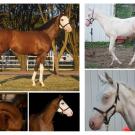
A VGL research study lead by Dr. Rebecca Bellone identified a de novo genetic variant in the microphthalmia-associated transcription factor (MITF) gene of a Thoroughbred stallion with splashed white coat pattern. Splashed white got its name because horses with this coat pattern look like they splashed in white paint, as they typically have high amounts of white markings on the legs, face, and abdomen.

New Test Available - Cerebellar Ataxia (CA) in the Spinone Italiano

Spinocerebellar ataxia (also known as cerebellar ataxia or CA) is an inherited disorder that affects the Spinone Italiano and is characterized by early onset of progressive incoordination (ataxia). Affected dogs are normal at birth and begin showing signs of incoordination and loss of balance at about 4 months of age. The disorder progresses with clinical signs worsening in the next few months. Affected puppies are often euthanized before they reach one year of age due to the inability to ambulate and poor quality of life.

VGL parentage testing confirms rare event in equine reproduction

Delayed embryo development is a rare occurrence in horses. In collaboration with researchers at Colorado State University, results from UC Davis VGL parentage testing verified this rare finding in a donor Quarter Horse (QH) mare. 

New Test Available - Primary Open-Angle Glaucoma (POAG) in the Petit Basset Griffon Vendeen

Primary open-angle glaucoma (POAG) is a type of glaucoma that typically progresses gradually and without obvious signs of pain. A genetic inversion disrupting the ADAMTS17 gene is associated with POAG in the Petit Basset Griffon Vendeen. POAG is characterized by elevated intraocular pressure (increased pressure inside the eye) and partial dislocation of the lens.

New Test Available - GM2 Gangliosidosis in the Toy Poodle

GM2 gangliosidosis is a fatal neurodegenerative lysosomal storage disease that affects dogs. A genetic variant causing GM2 gangliosidosis has been identified in certain lineages of Toy Poodles.

Affected dogs typically display neurological signs that begin at 9-12 months of age and may include tremor, incoordination or stiff gait, and difficulty eating. Neurological deterioration progresses over 6-12 months, ultimately resulting in death.

Test Update: new W13 allele added to VGL’s equine Dominant White test

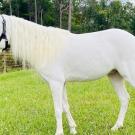
The equine Dominant White test offered by the VGL has been updated to include a fifth allele: W13. This KIT mutation consists of a single base substitution and was initially identified in a Quarter Horse X Paso Peruano cross-bred family that had two white horses.

Announcement: VGL’s Cat Ancestry Test will be discontinued as of December 16

The VGL’s cat ancestry test was developed to determine which geographic region a random bred cat has originated from: Western Europe, Egypt, East Mediterranean, Iran/Iraq, Arabian Sea, India, South Asia and East Asia. It was not designed to answer the question, what is the breed composition of my cat? As such, the results that we are scientifically able to provide with this DNA test are not able to answer the question some of our clients have. Therefore, we have decided to discontinue the offering of this test effective December 16, 2022.